Hi, I’m Storm Chaser Damon Vincent, founder of Mississippi Storm Logic. As someone who’s chased supercells across the Midwest and tornadoes in Dixie Alley, I’ve learned that weather is exciting — but also dangerous. This page is here to help you stay safe, informed, and prepared whether you’re at home or on the road.
Every section below is based on official guidance from the National Weather Service (NWS), FEMA, the Red Cross, and my own real-world chasing experience.
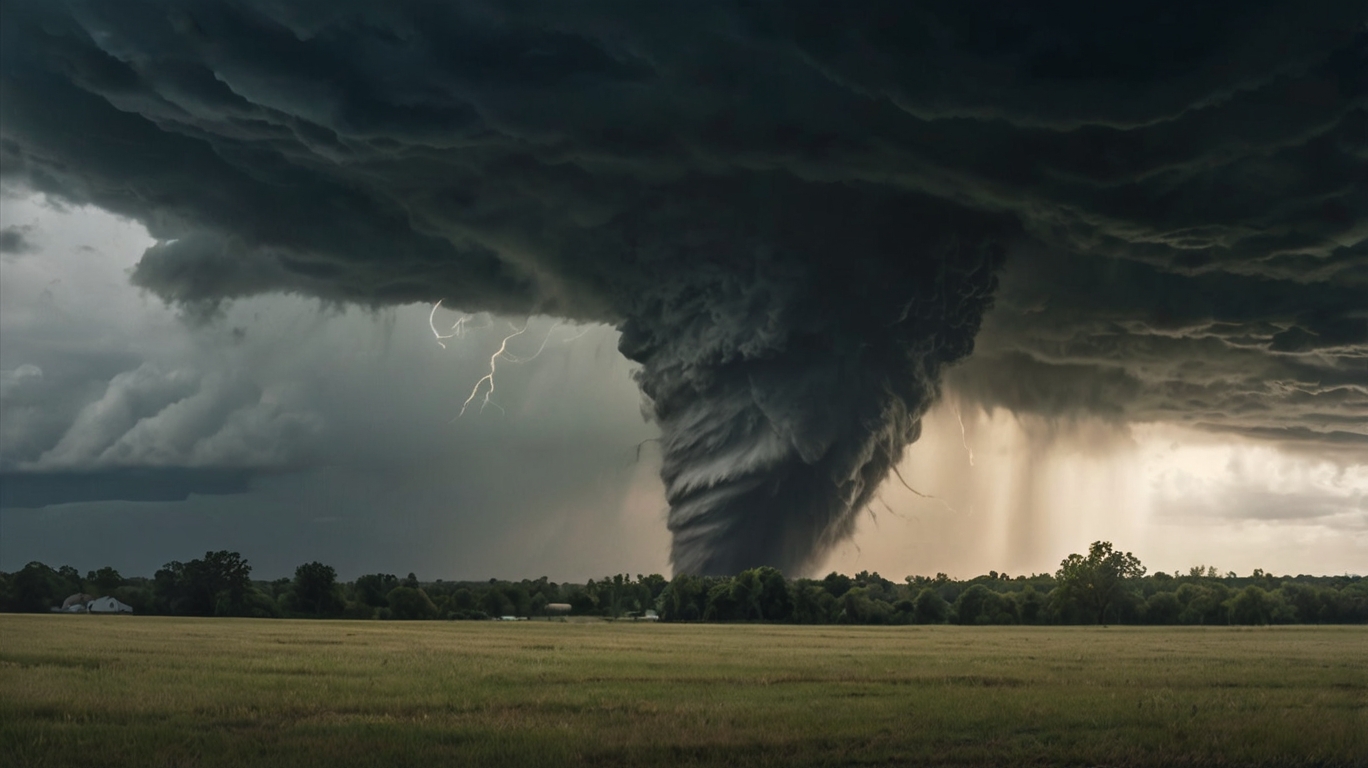
Tornado Watch: Conditions are favorable. Be ready to take shelter.
Tornado Warning: A tornado is occurring or imminent. Take cover immediately.
Tornado Emergency: A large, destructive tornado is confirmed and heading toward a populated area.
Go to a basement or small, interior room on the lowest floor (bathroom, closet, hallway).
Stay away from windows and cover yourself with a mattress or heavy blankets.
Mobile homes are not safe — plan ahead for a nearby shelter.
Never try to outrun a tornado in a congested area.
If possible, drive away at right angles to the storm path.
If caught, find a low-lying area like a ditch, lay flat, and cover your head.
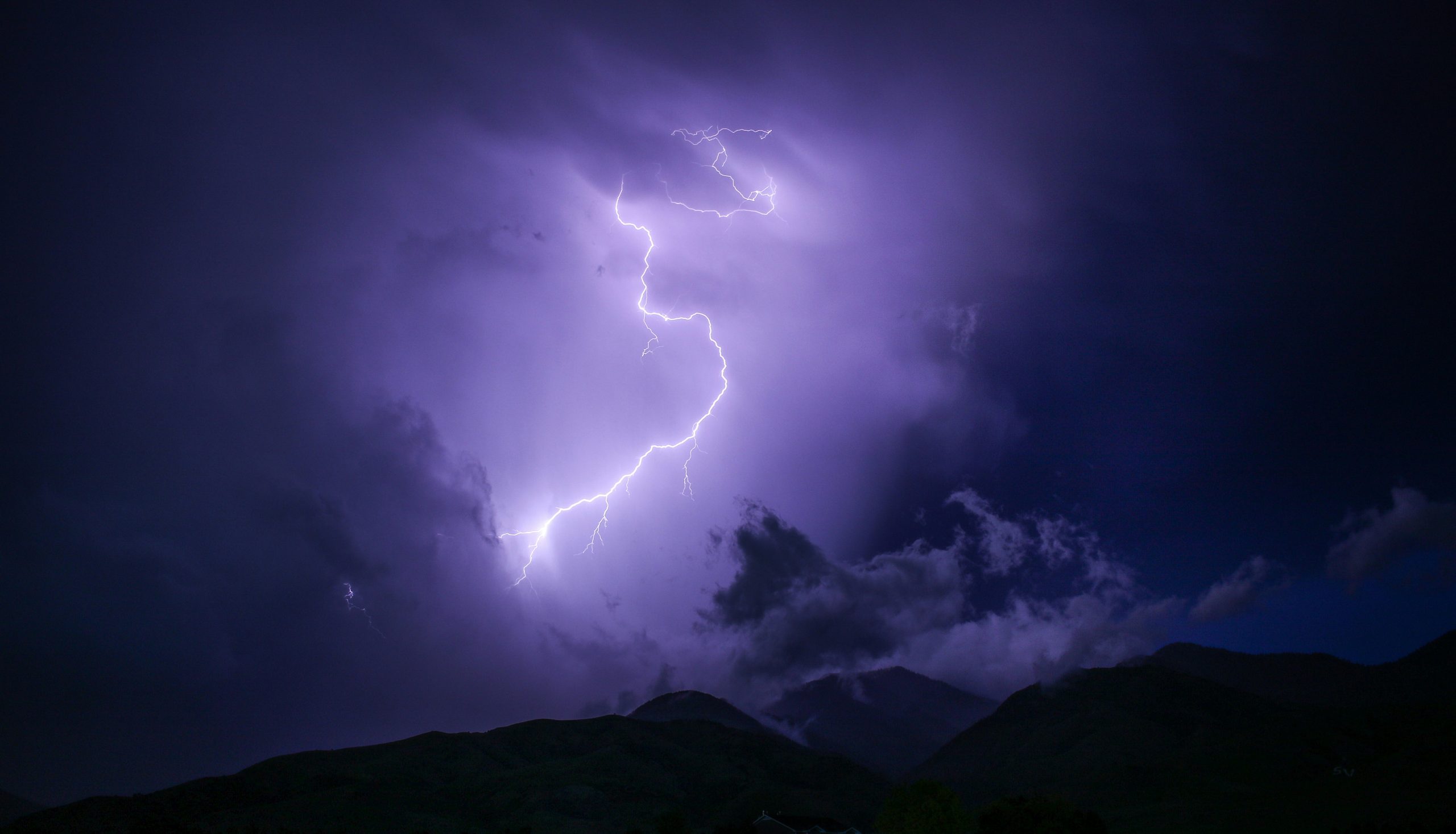
Lightning can strike from 10 miles away, even under clear skies.
If you can hear thunder, you’re close enough to be struck.
Avoid plumbing, corded phones, and electronic devices.
Stay away from windows and doors.
Immediately seek shelter in a building or hard-topped car.
Avoid open fields, hilltops, metal objects, and isolated trees.
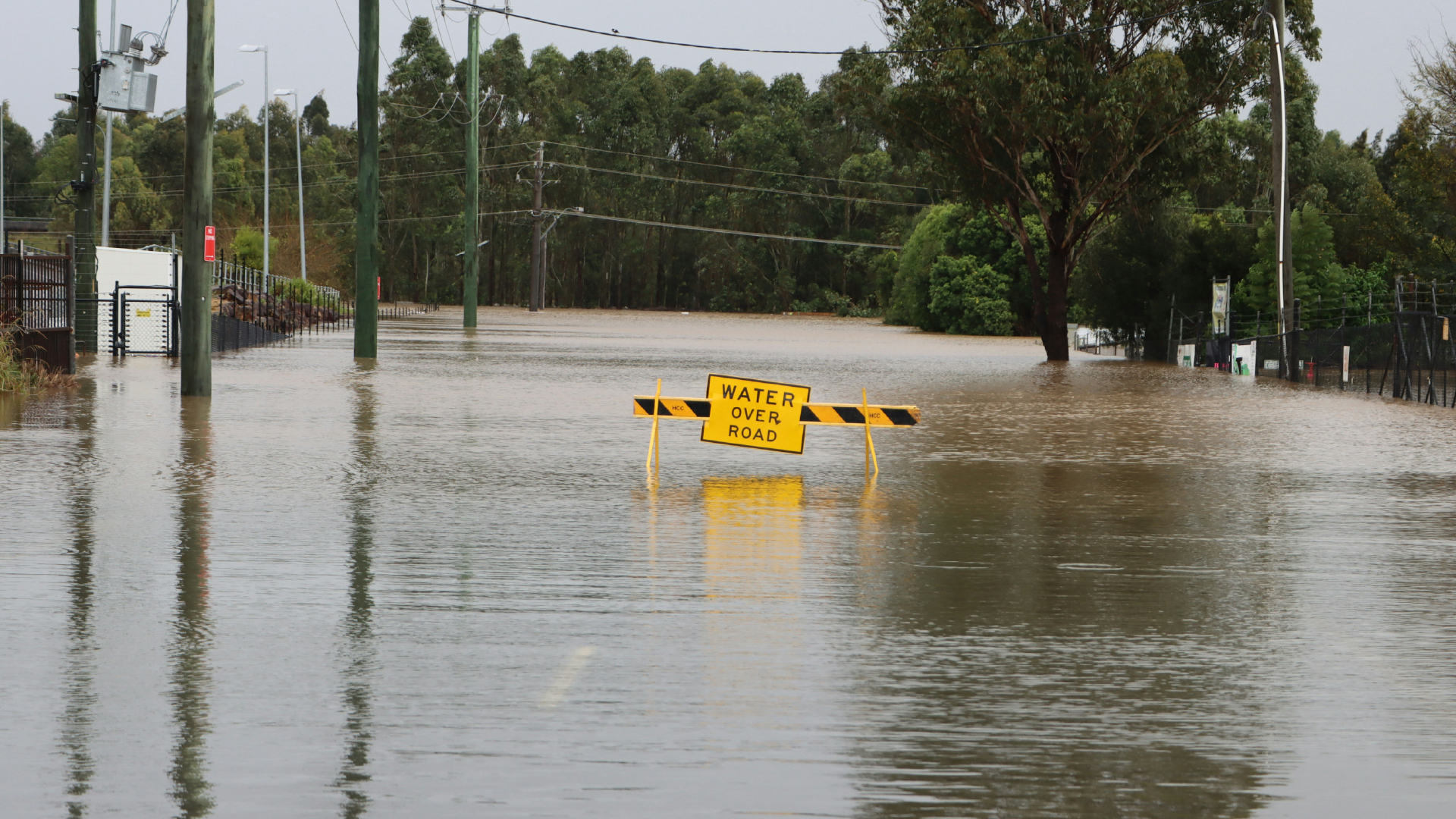
Just 6 inches of water can knock over an adult.
12 inches can carry away a car.
Flash floods can develop in minutes.
Know your flood zone (check FEMA maps).
Do not walk or drive through floodwaters.
Prepare an evacuation plan in advance.
Flying debris is a major hazard.
Straight-line winds can exceed 80 mph — equal to a weak tornado.
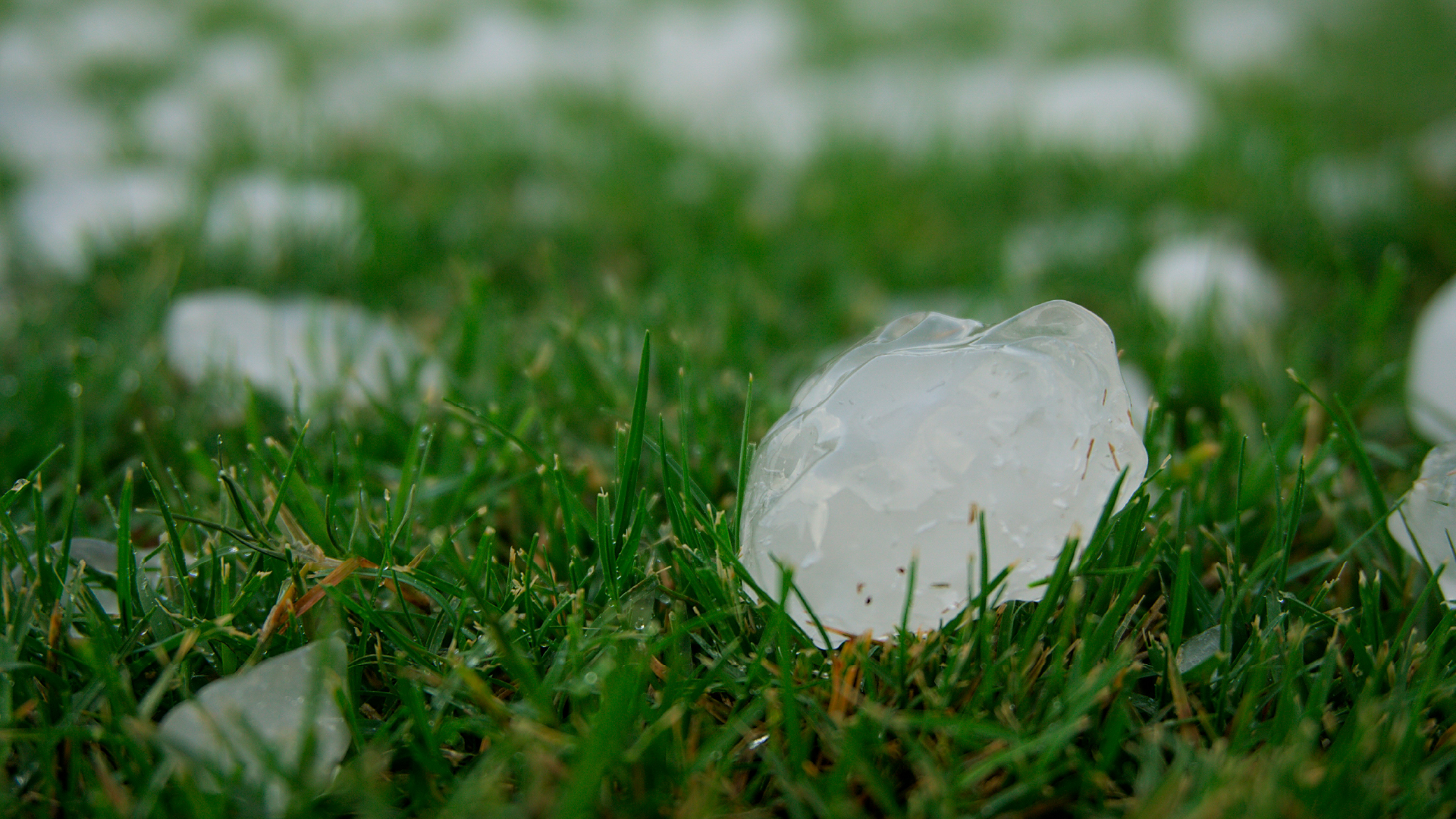
Hail can shatter windows and injure people and animals.
Stay inside, away from windows.
If you’re driving, pull over safely and angle the car so hail hits the windshield (which is reinforced).
Prepare before the storm — not during it.
NOAA Weather Radio
Flashlight with extra batteries
First Aid kit
Whistle
Power bank or car charger
Bottled water (1 gallon per person, per day)
Non-perishable food (3-day supply)
Copies of IDs, insurance, and medication list
“I love the chase — but I always chase smart.”
Here’s what I follow in the field:
I always have 2 escape routes marked before stopping.
I avoid night chasing unless visibility is high and data is solid.
I don’t cross flooded roads or blocked paths — ever.
I respect law enforcement, first responders, and local residents.
I prioritize awareness over adrenaline.
Want to learn to chase responsibly? Contact me here